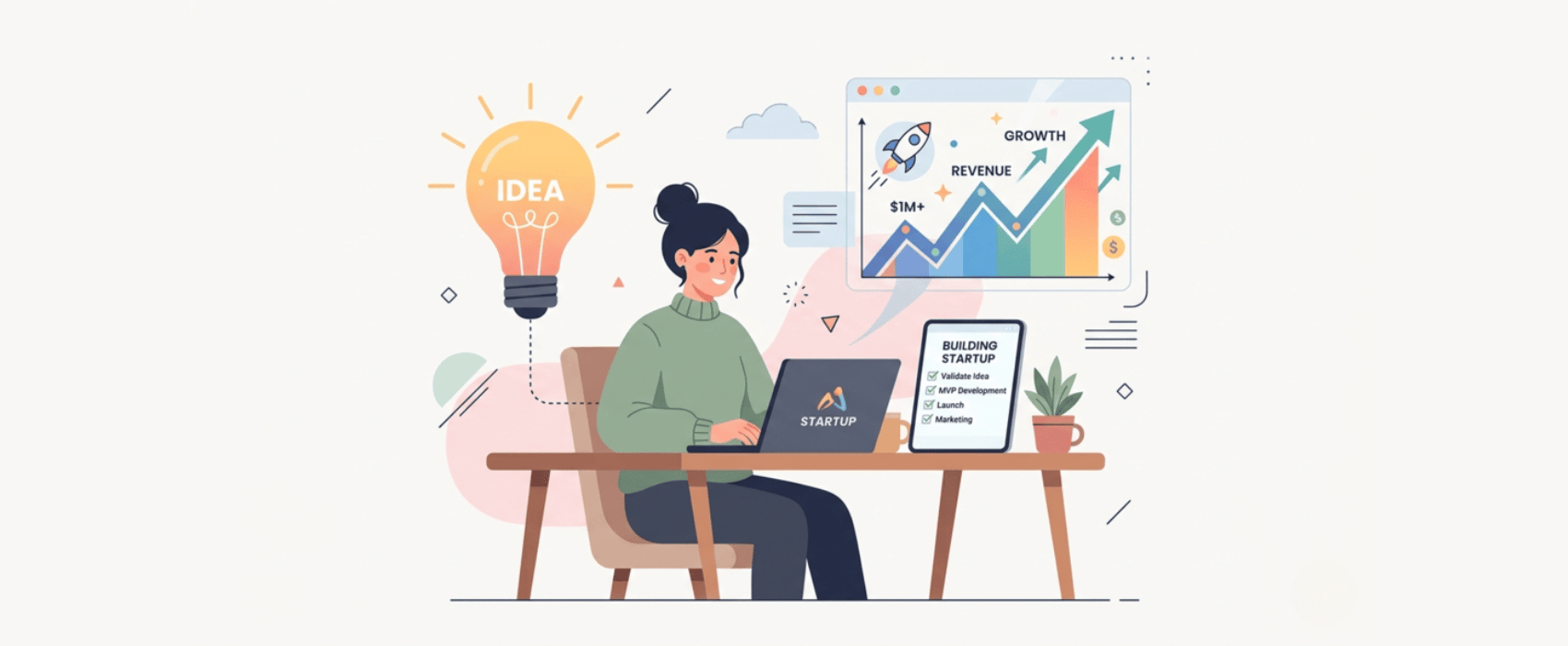
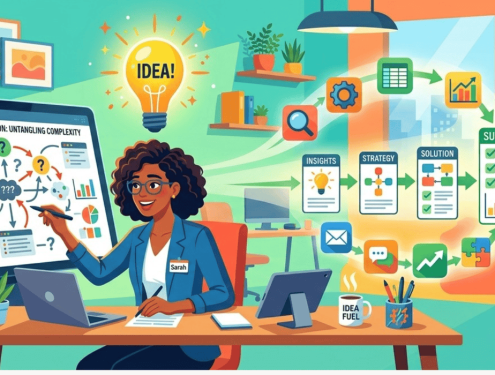
Everyone has ideas. Some are small, some are big—and some could change lives. But the truth is, an idea alone doesn’t mean much unless you act.
If you’ve been wondering how to turn an idea into a startup, you’re in the right place. This guide will walk you through the real process—simple, practical, and easy to follow.
No complicated jargon. Just clear steps you can use.
Step 1: Make Sure Your Idea Makes Sense
Before you do anything else, ask yourself one simple question:
Does this idea solve a real problem?
A lot of people skip this step, and that’s why many startups fail.
Try This:
- Talk to real people (friends, strangers, online communities)
- Ask what problems they face
- See if your idea helps
Example:
If you want to build a food delivery app, ask users what they hate about current apps—late delivery, high fees, bad service, etc.
If people don’t care about your idea, it’s better to know now than later.
Step 2: Understand Your Market
Now that your idea looks promising, it’s time to look around.
Who else is doing something similar?
Look for:
- Your target customers
- Your competitors
- Market trends
You don’t need fancy tools. Even Google and social media can tell you a lot.
This step helps you avoid copying others and instead do something better.
Step 3: Create a Simple Startup Business Plan
Don’t worry, you don’t need a huge document.
A startup business plan can be simple.
Just Answer These:
- What are you building?
- Who is it for?
- How will you make money?
- How will people find you?
That’s it.
Think of it as your roadmap. It keeps you focused and clear.
Step 4: Build a Minimum Viable Product (MVP)
This is where many people make a mistake—they try to build the “perfect” product.
Don’t.
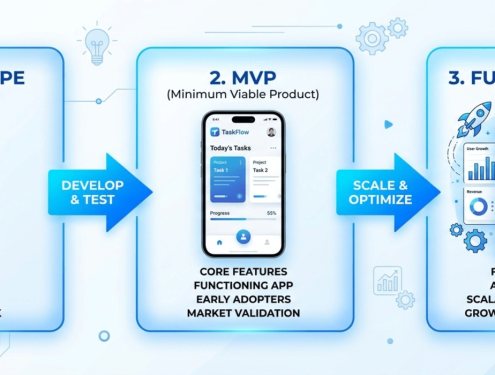
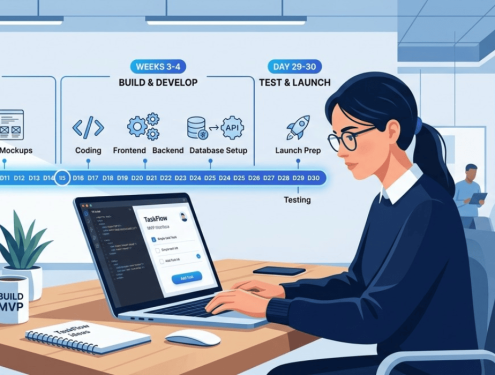
Instead, build a minimum viable product (MVP).
What is that?
A basic version of your product with only the most important features.
Why it works:
- Saves time
- Costs less
- Let’s test quickly
Example:
Before building a full app, you can create:
- A landing page
- A video demo
- A simple prototype
Start small. Improve later.
Step 5: Get Feedback (And Actually Listen)
Once your MVP is ready, show it to real users.
This is where magic happens.
Ask Questions Like:
- What do you like?
- What’s confusing?
- Would you pay for this?
And most importantly, listen without ego.
Even negative feedback is valuable. It helps you grow.
Step 6: Build Your Brand
Now let’s talk about how people will remember you.
Your brand is more than just a logo—it’s the feeling people get when they see your business.
Focus On:
- A simple, clear name
- Clean logo
- Professional website
- Consistent colors
First impressions matter a lot, especially online.
Step 7: Start Marketing Early
A big mistake? Waiting too long to market.
Start early—even before your product is perfect.
Easy Ways to Start:
- Post on social media
- Share your journey
- Write helpful content
- Build an email list
This is a key part of how to start a business successfully.
People should know you exist before you launch.
Step 8: Think About Money (Funding)
Some startups need money. Some don’t.
Common Options:
- Your own savings
- Friends or family
- Investors
But here’s a smart tip:
Try to earn first before raising money.
Even small revenue is a good sign that your idea works.
Step 9: Launch Your Startup
Now it’s time.
Don’t wait for “perfect”—it doesn’t exist.
Before Launch:
- Test everything
- Fix major issues
- Be ready to support users
You can even do a “soft launch” with a small audience first.
Step 10: Grow Step by Step
Once your startup is live, your job is not over—it’s just beginning.
Focus On:
- Improving your product
- Getting more users
- Keeping customers happy
Growth doesn’t happen overnight. Stay consistent.
Common Mistakes to Avoid
Let’s be real mistakes will happen. But try to avoid these:
- Skipping idea validation
- Ignoring feedback
- Spending too much too early
- Trying to do everything alone
- Not focusing on marketing
Final Thoughts
Turning an idea into a startup is not about being perfect, it’s about taking action.
If you’ve been waiting for the “right time,” this is it.
Start small. Learn fast. Improve every day.
That’s how real startups are built.

 Web Development
 Mobile App Development
 Software Development
 Digital Marketing & Growth
 UI/UX & Graphic Design
 Cybersecurity & IT Infrastructure
 AI, Data & Automation
 Cloud & DevOps Services